Ensuring the safety and quality of potable water is an ongoing responsibility. Routine monitoring helps detect contaminants, prevent health risks, and comply with regulatory standards. Our environmental lab specializes in reliable and timely potable water testing services, offering tailored solutions for routine monitoring to meet the specific needs of your facility or community.
Water quality can fluctuate over time due to environmental factors, infrastructure issues, or contamination events. Regular testing ensures:
Early Detection of Contaminants
Identifies potential risks before they become serious problems.
Health and Safety
Protects consumers from harmful contaminants like lead, bacteria, or nitrates.
System Maintenance
Monitors the effectiveness of water treatment and distribution systems.
Regulatory Compliance
Adherence to local, state, and federal water quality standards.
License & Certifications
Trusted Standards & Certifications
We maintain the highest standards in environmental compliance and sustainability. Our certifications demonstrate our commitment to responsible practices and regulatory excellence.
What We Monitor?
Our routine monitoring services cover a wide range of potential contaminants and parameters, including:
Volatile and Semi-Volatile Organic Compounds (VOCs and SVOCs):
Pesticides, industrial solvents, and hydrocarbons. For more detailed analysis, see our VOCs and SVOCs testing service.
Municipal Water Suppliers: Ensuring the quality of public drinking water.
Private Well Owners: Monitoring for natural or industrial contamination.
Schools and Daycares: Protecting children from exposure to harmful substances.
Hospitals & Clinics: Providing safe water for vulnerable populations.
Commercial and Industrial Sites: Maintaining compliance with water safety regulations.
Our Testing Process is Simple and Efficient
01.
Contact Us
Reach out to schedule your test at a convenient time for you.
02.
Choose Your Option
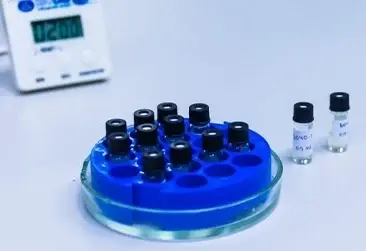
Some parameters, like pH and chlorine, conductivity, turbidity, can be tested momentarily with our on-site testing services for immediate results. Alternatively, opt for sample collection for comprehensive lab analysis
03.
Sample Collection
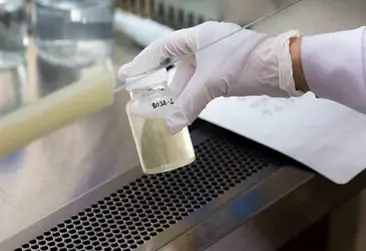
We can visit your location to collect water samples, ensuring proper techniques are followed for accurate testing. Proper sample collection is crucial to maintain the integrity of the analysis and avoid contamination.
04.
Receive Your Results
Get detailed, actionable insights from our reliable reports, helping you address any water quality concerns effectively
Expert Insights on Testing Methods
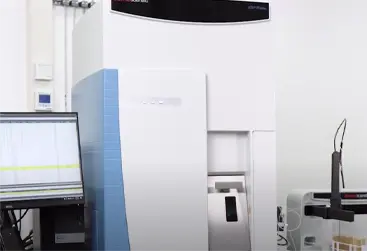
ICP-MS (Inductively Coupled Plasma Mass Spectrometry) for detecting trace metals with precision.
Microbiological Testing for identifying pathogens like E. coli and Legionella.
Ion Chromatography for measuring ions like nitrates and sulfates.
Why Choose PITS Environmental?
Accredited Expertise
Our lab meets stringent standards, ensuring accuracy and reliability.
Advanced Technology
We utilize state-of-the-art instruments for precise analysis.
Tailored Solutions
Testing services customized to your specific agricultural needs.
Fast Turnaround
Timely results to help you make critical decisions without delay.
Reliable Water and Air Quality Testing Services
Protect your environment with our specialized water and air quality testing solutions, offering comprehensive analysis to detect contaminants, convenient sample collection, and on-site testing for immediate results. Contact us today to schedule a consultation or on-site visit and take the first step toward a healthier, safer environment!