Why Post-Flood Testing is Crucial?
Floodwaters can carry a wide range of pollutants, including bacteria, chemicals, and heavy metals, which can contaminate both private wells and municipal water supplies. Testing is essential to:

Flooding often introduces E. coli, coliform bacteria, and other microorganisms into water systems, posing serious health risks. Learn more about our E. coli and coliform testing process and its importance after flood events.

Agricultural runoff, industrial chemicals, and fuel spills are common during floods and can seep into water supplies. These risks are commonly assessed through our agricultural runoff testing and VOC analysis.

Metals such as arsenic, lead, and mercury may enter water sources from disturbed soils or infrastructure damage.

Changes in taste, odor, or appearance often indicate contamination requiring immediate attention.
Pro Tip: Contaminants introduced by flooding are often invisible and odorless, making professional testing essential for accurate detection.
Our Post-Flood Testing Services
We provide comprehensive water testing to identify flood-related contaminants, including:
Detect harmful microorganisms like E. coli, coliforms, and Legionella.
Test for volatile organic compounds (VOCs), pesticides, and industrial chemicals.
Analyze for arsenic, lead, mercury, and other metals using advanced technology.
Assess turbidity, pH levels, and total dissolved solids (TDS) to evaluate water clarity and quality.
Our Testing Process is Simple and Efficient
01.
Reach out to schedule your test at a convenient time for you.
02.
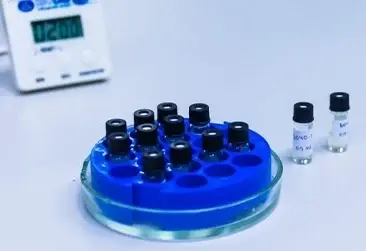
Some parameters, like pH and chlorine, conductivity, turbidity, can be tested momentarily with our on-site testing services for immediate results. Alternatively, opt for sample collection for comprehensive lab analysis
03.
We can visit your location to collect water samples, ensuring proper techniques are followed for accurate testing. Proper sample collection is crucial to maintain the integrity of the analysis and avoid contamination.
04.
Get detailed, actionable insights from our reliable reports, helping you address any water quality concerns effectively
Who Needs Post-Flood Testing?
Not Sure If You Need Testing? Contact Us for Guidance
Don’t wait for issues to arise—regular testing can prevent costly problems and health risks.
Our services are designed for:
- Private Well Owners: Wells are especially vulnerable to contamination from floodwaters.
- Homeowners: Ensure your water supply is safe after flooding impacts your area.
- Businesses and Restaurants: Protect employees and customers by verifying water quality after a flood event.
- Municipal Water Suppliers: Assess public water supplies for flood-related contamination.
- Property Managers: Test water systems for properties in flood-prone areas.
Benefits of Regular Testing
Detect harmful bacteria, chemicals, and metals that pose serious health risks.
Know your water is safe for drinking, cooking, and everyday use.
Identify and address issues before they worsen or require costly remediation.
Ensure water meets EPA and local health standards.
When to Perform Post-Flood Testing
Immediately After Flooding: Test as soon as possible to identify urgent safety concerns.
If You Notice Changes: A sudden difference in water taste, smell, or appearance could indicate contamination.
Before Using Well Water: After floodwaters recede, testing is essential before resuming regular use.
Annually in Flood-Prone Areas: Routine testing helps monitor long-term effects of repeated flood events.