Lead and Copper Testing for Schools

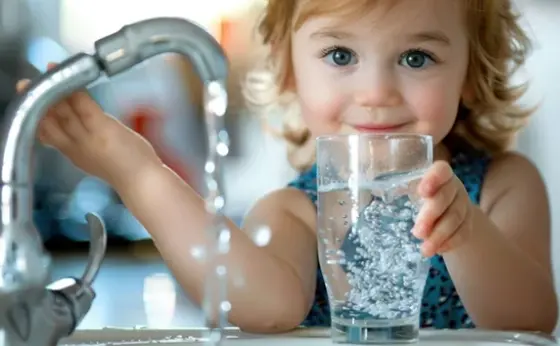
Ensuring safe drinking water in educational facilities is critical to student health and regulatory compliance. Lead and copper can leach into drinking water from plumbing materials, particularly in older buildings. Our accredited laboratory provides comprehensive sampling and testing services for schools across New York and New Jersey, helping you meet state-specific requirements with confidence.

Request Environmental Services

"*" indicates required fields

This field is hidden when viewing the form

Lead and Copper Testing for Schools

Why Test for Lead and Copper?

Lead exposure, even at low levels, can impair children’s development, behavior, and learning.

Copper, while essential in small amounts, can cause health issues when consumed in excess.

Children are especially at risk due to their developing systems. Schools must take proactive steps to monitor water quality and address contamination risks.

Visit our schools & daycares page to learn how we help protect young students through targeted lead and copper testing.

License & Certifications

Trusted Standards & Certifications

We maintain the highest standards in environmental compliance and sustainability. Our certifications demonstrate our commitment to responsible practices and regulatory excellence.
Regulatory Requirements

Testing required every three years as per N.J.A.C. 6A:26-12.4.

Applies to all public schools, including administrative and athletic facilities.

Must test all drinking water outlets used for consumption or food prep.

Sampling protocol includes Initial First Draw and Follow-Up Flush samples.

Immediate action is required for results ≥ 15.5 ppb (µg/L) for lead.

Testing required every 5 years under NY Public Health Law §1110.

Applies to all public schools and BOCES, and certain nonpublic schools.

Must test all potable water outlets used for drinking or cooking.

Action level for lead is 5 ppb (µg/L) — more stringent than EPA and NJ.

Follow-up actions include shutting off outlets, public notification, and remediation.

Our team helps institutions remain compliant with NJ and NY laws through detailed regulatory compliance testing.

Our Services

Not Sure If You Need Testing? Contact Us for Guidance

Don’t wait for issues to arise. Regular testing can prevent costly problems and health risks.

Our Services Include:

Expert Insights on Testing Methods

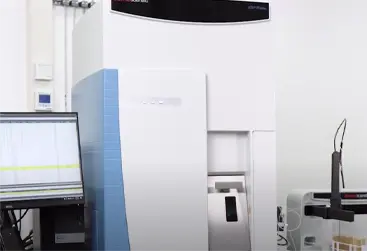
ICP-MS (Inductively Coupled Plasma Mass Spectrometry) for detecting trace metals with precision.

Microbiological Testing for identifying pathogens like E. coli and Legionella.

Ion Chromatography for measuring ions like nitrates and sulfates.

Why Choose PITS Environmental?

Accredited Expertise

Accredited Expertise

Our lab meets stringent standards, ensuring accuracy and reliability.

Advanced Technology

Advanced Technology

We utilize state-of-the-art instruments for precise analysis.

Tailored Solutions

Tailored Solutions

Testing services customized to your specific agricultural needs.

Fast Turnaround Times

Fast Turnaround

Timely results to help you make critical decisions without delay.

Reliable Water and Air Quality Testing Services

Protect your environment with our specialized water and air quality testing solutions, offering comprehensive analysis to detect contaminants, convenient sample collection, and on-site testing for immediate results. Contact us today to schedule a consultation or on-site visit and take the first step toward a healthier, safer environment!

Frequently Asked Questions

Yes.

  • In New Jersey, lead testing is mandatory every 3 years for all public schools per N.J.A.C. 6A:26-12.4.
  • In New York, lead testing is required every 5 years per Public Health Law §1110. Copper testing is not mandatory in either state, but strongly recommended to assess potential plumbing corrosion issues.
  • New York: Action level is 5 µg/L (ppb) — one of the strictest in the U.S.
  • New Jersey: Action level is 15.5 µg/L (ppb). Any result equal to or above the applicable threshold requires immediate action.

Each sampling point typically requires:

  • Initial First Draw Sample – taken after 8+ hours of water stagnation
  • Follow-Up Flush Sample – collected after flushing water for 30 seconds (or 15 minutes for chilled units)

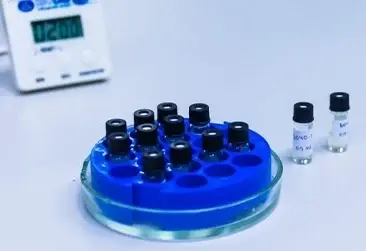
Samples must be collected in certified bottles and tested at a state-accredited laboratory using EPA Method 200.8 or other approved methods.

Schools must:

  • Immediately shut off or restrict access to the affected outlet
  • Post signage (e.g., “Do Not Drink – Safe for Handwashing”)
  • Provide alternate sources of safe drinking water
  • Notify staff, students, and parents within 24 hours
  • Consider fixture replacement, filtration, or other remedial actions

Yes. A plumbing profile helps identify potential lead sources (e.g., lead pipes, solder, or brass fixtures), prioritize testing locations, and guide remediation.

Yes, as long as water has remained undisturbed for 8–48 hours. Early mornings, weekends, or breaks are commonly used for proper stagnation.

Have more questions?

Don’t see your answer here? Our support team is ready to assist you with any specific concerns or detailed inquiries.

Your Environment, Our Priority

Request a Test or Consultation

Fill out the form below, and our team will get back to you as soon as possible.

"*" indicates required fields

This field is hidden when viewing the form

Need immediate assistance?