Why Test Construction Water?
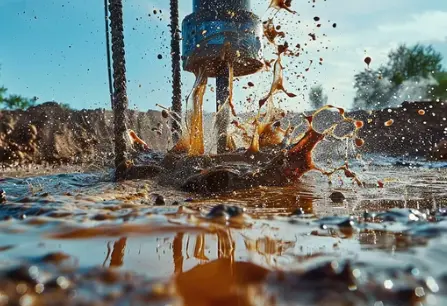
Water is used extensively in construction, from concrete mixing and curing to cleaning and dust suppression. However, impurities in water can lead to costly project delays, compromised material integrity, and environmental violations. Regular testing ensures:
Identify impurities like chlorides and sulfates that can weaken concrete and other materials, ensuring long-term structural integrity.
Meet EPA standards and local environmental guidelines to avoid fines and project shutdowns. Learn more about our regulatory compliance services for construction and industrial projects.
Minimize harmful runoff that can contaminate nearby ecosystems.
Optimize water usage and recycling processes for better project management.
What We Test For
Our comprehensive testing suite evaluates all critical parameters of construction water to ensure compliance and performance:
Measure clarity and particulate levels that can affect equipment and processes.
Identify contamination from industrial activities or equipment runoff.
Evaluate the potential of water to cause corrosion in pipes and equipment.
Detect and quantify chlorides, sulfates, nitrates, and heavy metals like lead and arsenic.
Test for microbial presence that could pose health risks on-site.
Assess water’s impact on material setting and strength.
Determine water suitability for concrete mixing and curing.
For a deeper dive into how pH, alkalinity, and hardness affect system performance, read our HVAC water chemistry guide.
Our Process
Identify project-specific requirements and tailor testing packages accordingly.
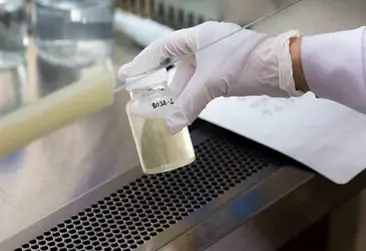
Offer detailed guidelines or provide professional onsite sampling for accuracy.
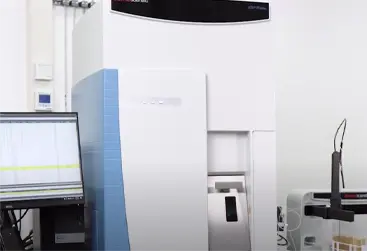
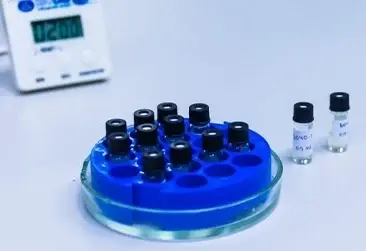
Conduct rigorous testing using advanced technology for reliable results.
Present easy-to-understand reports with actionable insights and compliance status.
Provide guidance on resolving water quality issues and maintaining compliance.
Who Benefits from Our Services?
- General Contractors: Ensure compliance and reduce project risks.
- Structural Engineers: Validate water quality for precision in material design and specifications.
- Environmental Consultants: Monitor and manage environmental impact effectively.
- Government Agencies: Maintain oversight on infrastructure projects requiring water quality assurance.