Why Test Agricultural Water?
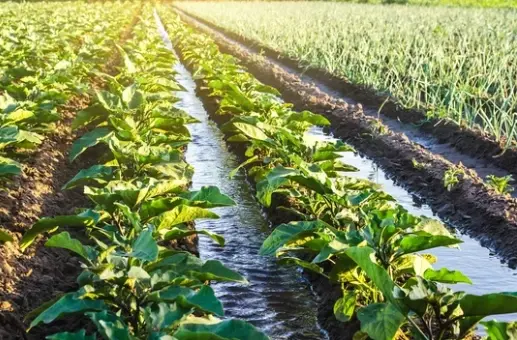
Agricultural water can come from various sources, including private wells, surface water, and municipal supplies. These sources can introduce contaminants that impact crop yield, soil health, and livestock productivity. Regular water testing helps:
Ensure that irrigation water is free from harmful substances that could stunt growth or contaminate produce.
Provide clean drinking water for animals, free from bacteria and heavy metals.
Meet state and federal guidelines for agricultural water quality.
Prevent long-term soil degradation caused by contaminants like excess salts or heavy metals.
What We Test For
Our agricultural water testing services include a wide range of analyses to ensure the safety and effectiveness of your water supply:
E. coli, coliform bacteria, and other pathogens.
Nitrogen, phosphorus, and potassium levels.
Total dissolved solids (TDS) and electrical conductivity.
Pesticides, herbicides, and heavy metals (e.g., lead, arsenic, cadmium).
Assessing water suitability for irrigation and livestock.
Boron, chloride, and other potentially harmful or beneficial elements.
Our Agricultural Water Testing Process
01.
Consultation
Discuss your needs and recommend suitable testing packages.
02.
Sample Collection
Provide detailed instructions or assist with onsite sample collection to ensure integrity.
03.
Analysis
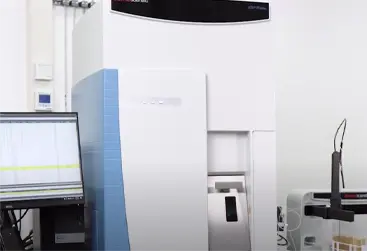
Conduct thorough testing using advanced equipment, including ICP-MS and ion chromatography.
04.
Reporting
Deliver clear, actionable reports with data interpretation tailored to your requirements.
05.
Recommendations
Offer practical solutions for addressing water quality issues.
Who Benefits from Our Services?
- Farmers: Optimize irrigation practices and safeguard crops.
- Greenhouse Operators: Ensure water quality for high-value, sensitive plants.
- Livestock Owners: Maintain clean water supplies to support animal health.
- Agribusinesses: Comply with safety and quality standards in agricultural production.
See who we serve for more on our supported industries.