
How to Choose the Right Legionella Testing Lab: Why CDC ELITE Certification Matters
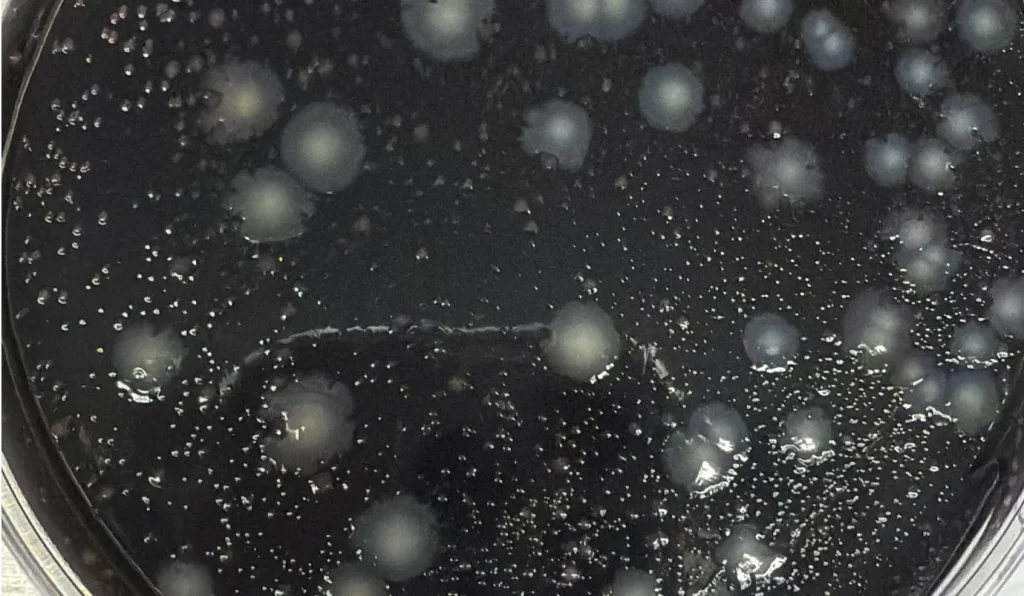
Choosing the right laboratory for Legionella testing is not a box-checking exercise; it’s a decision that impacts public health, legal liability, and regulatory compliance. At PITS Environmental, we are a CDC ELITE–certified laboratory, ensuring that every Legionella analysis meets the highest national proficiency standards. We offer a full suite of Legionella testing services tailored for […]
Legionella Regulations Across the U.S.: Where Testing Is Required and Why It Matters
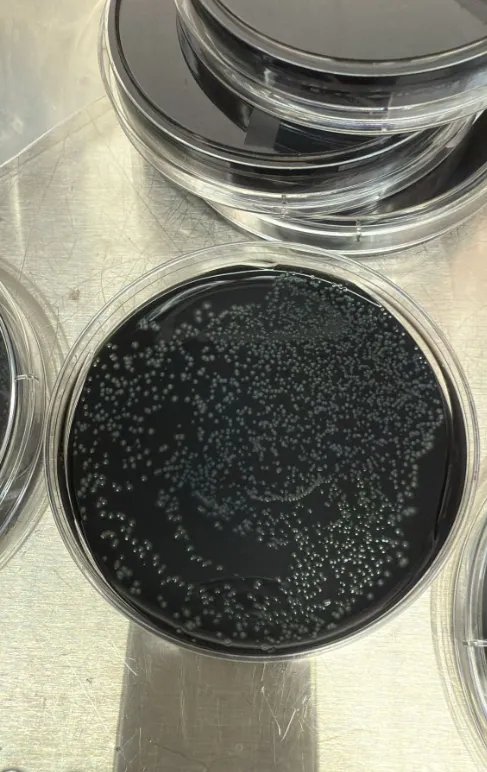
Legionella bacteria, the cause of Legionnaires’ disease, is a major concern for building owners, facility managers, and public health officials. This potentially deadly pathogen thrives in water systems and can spread through mists, vapors, or aerosols. While not yet regulated as a drinking water contaminant under federal law, many states and cities have enacted specific […]
Do You Discharge Nonprocess Wastewater? Here’s What Your Facility Needs to Know
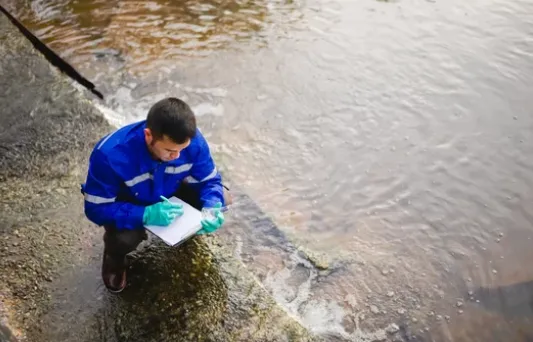
If your commercial, industrial, or mining operation discharges water not tied to your core processes, you may still need environmental permitting and it’s more complex than it seems. Discharging nonprocess wastewater, such as water from HVAC systems, boiler blowdown, or cooling towers, still places your facility under the regulatory authority of the National Pollutant Discharge […]
The Compliance and Health Risks of Skipping E. coli and Total Coliform Testing in Industrial and Commercial Facilities
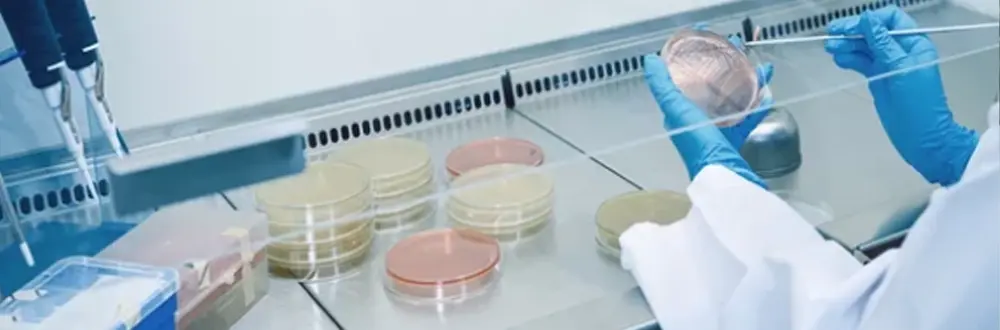
Total Coliform and E. coli testing is not just a regulatory checkbox; it serves as a frontline defense against public health hazards. For industries and commercial facilities that supply, manage, or discharge water, the presence of microbial contaminants introduces serious compliance liabilities and reputational risks. These tests are mandated by federal and state agencies, including […]
BOD₅ / COD / TSS – Essential Tests for Municipal and Industrial Discharge Compliance
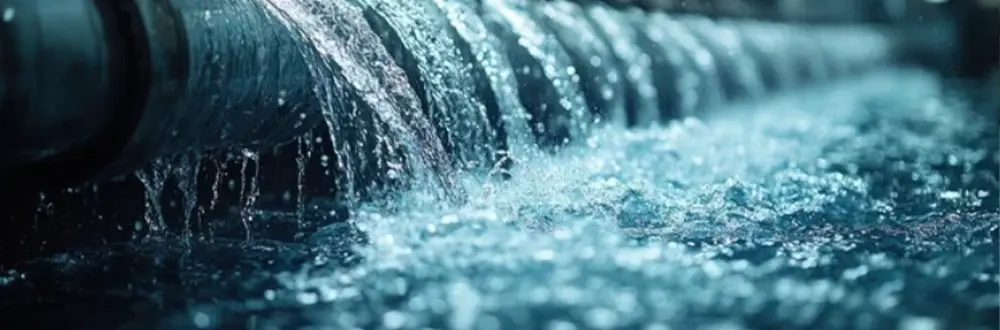
Wastewater from industrial and municipal sources must be carefully monitored to protect receiving waters like rivers, lakes, and coastal zones. Regulatory bodies such as the EPA, New York State Department of Environmental Conservation (NYSDEC), and New Jersey Department of Environmental Protection (NJDEP) require systematic testing for BOD₅ (Biochemical Oxygen Demand), COD (Chemical Oxygen Demand), and […]
Understanding Total Coliform and E. coli Testing – Why It’s Essential for Safe Drinking Water
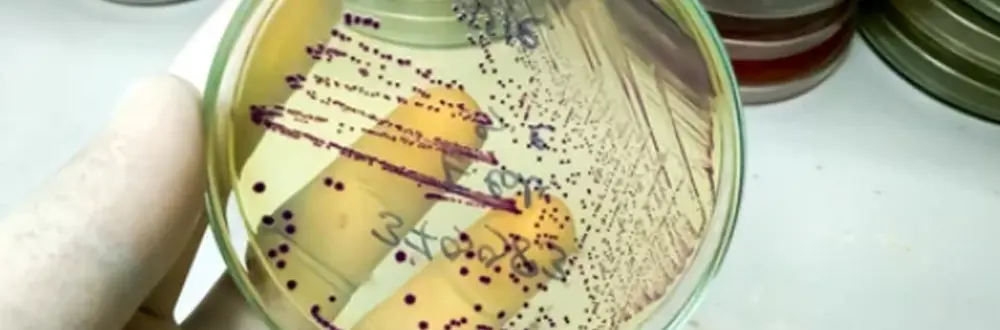
Safe drinking water is a fundamental public health priority, and ensuring it is free from harmful bacteria is non-negotiable. Whether you’re a homeowner relying on a private well, a school administrator ensuring student safety, or a property owner dealing with the aftermath of a flood testing for Total Coliforms and E. coli is one of […]
The Role of Electrical Conductivity and Sulfates in Corrosion Control

Among the many water quality parameters that affect HVAC system performance, electrical conductivity and sulfate concentration are two of the most overlooked yet impactful. These values offer insight into the chemical makeup of the water and are direct indicators of potential scaling and corrosion. When not monitored and controlled, elevated conductivity or sulfates can compromise […]
Understanding pH, Alkalinity, and Hardness in HVAC Water Systems
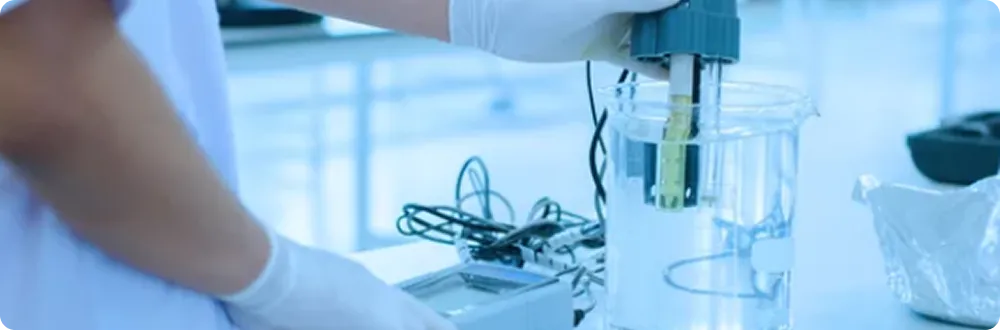
In HVAC systems, water chemistry plays a critical role in system efficiency, component lifespan, and maintenance needs. Among the most fundamental parameters that influence system stability are pH, alkalinity, and hardness. These three interrelated factors determine whether your HVAC water is balanced, aggressive, or prone to scale formation. Understanding how they interact allows engineers to […]
Why Water Quality Testing is Critical for HVAC System Longevity
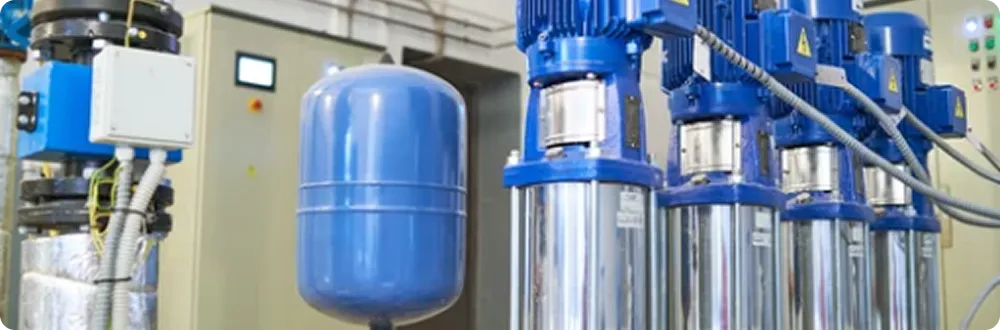
Water is the lifeblood of HVAC systems, particularly in chilled water and boiler systems. These systems rely heavily on water as a heat transfer medium, making its quality a cornerstone of system performance. Poor water quality can trigger a cascade of operational problems, including scaling, corrosion, microbiological fouling, flow restrictions, reduced heat exchange efficiency, and […]