Why Surface Sampling is Important?
Surface sampling is a targeted method for identifying mold growth on visible or suspected areas. Unlike air sampling, which measures airborne mold spores, surface sampling focuses directly on mold present on materials. This process is crucial for several reasons:
Determines the specific types of mold present, such as allergenic, pathogenic, or toxigenic species.
Measures the extent of mold growth on materials like drywall, wood, or furniture.
Helps prioritize areas requiring immediate attention during mold remediation.
Verifies that surfaces are free from mold contamination after remediation is completed.
Supports compliance with local and state mold-related health and safety regulations in NY and NJ.
Trusted Standards & Certifications
We maintain the highest standards in environmental compliance and sustainability. Our certifications demonstrate our commitment to responsible practices and regulatory excellence.
Why Mold Surface Sampling is Conducted?
Surface sampling is conducted in a variety of scenarios to provide precise and actionable insights:
- Residential Properties: Safeguarding the health and comfort of families.
- Post-Water Damage: To evaluate areas exposed to moisture and ensure mold has not developed.
- Pre-Remediation Planning: To guide mold removal efforts by identifying contaminated surfaces that require immediate attention.
- Post-Remediation Verification: To confirm that remediation efforts were successful and surfaces are free from mold.
- Health Concerns: To identify potential toxigenic molds that may cause allergies, respiratory issues, or other health problems.
The Mold Surface Sampling Process
At PITS Environmental, our mold surface sampling process is designed for accuracy, efficiency, and thorough analysis. Here’s how the process works:
Our specialists perform a detailed walkthrough of the property to identify visible mold growth or areas with water damage. We evaluate surfaces for discoloration, staining, or texture changes that may indicate mold presence.
Learn more about our mold inspection services and how we detect visible contamination.
The appropriate sampling method is selected based on the material type and suspected contamination. Surfaces are prepared to ensure accurate collection without disturbing mold spores unnecessarily.
- Tape Lift Sampling: A piece of adhesive tape is applied to the surface, capturing mold spores and particles for laboratory analysis.
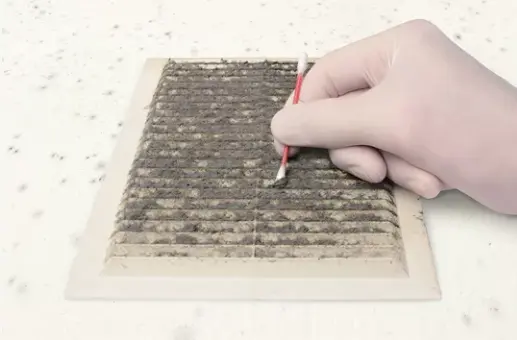
- Swab Sampling: A sterile swab is used to collect mold samples from uneven or porous surfaces, such as grout or textured walls.
- Bulk Sampling: Small portions of the affected material, such as drywall or wood, are carefully removed and sent to the lab for analysis
- Wipe Sampling: A dampened wipe is used to collect samples from smooth or non-porous surfaces like countertops or tiles.
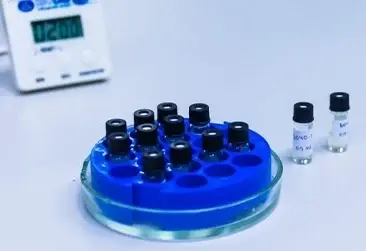
All collected samples are sealed in sterile containers to prevent contamination. Each sample is labeled with precise location details and other critical information for tracking.
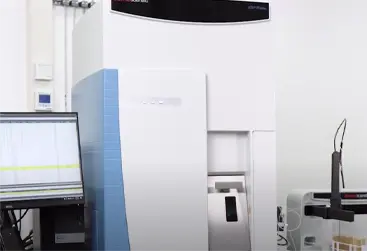
Samples are sent to an accredited laboratory where they are examined under a microscope to identify mold types and spore concentrations. Advanced techniques such as culture testing or DNA analysis may be used for detailed identification of mold species.
We provide a comprehensive report detailing the findings, including the type of mold, its concentration, and the affected areas. Recommendations for remediation or preventive measures are included to address the identified issues.
Areas Commonly Tested for Mold
Our surface sampling services are suitable for a wide range of surfaces and materials, including:

Drywall, plaster, and painted surfaces are common sites for mold growth due to water intrusion.

Carpets, tiles, and hardwood floors are inspected for mold caused by spills, leaks, or flooding.

Mold can develop on furniture fabric and cushions, especially in high-humidity areas.

Air ducts, vents, and filters are sampled to detect mold that could spread through ventilation systems.

Grout, tiles, and countertops are prone to mold in areas with high humidity and poor ventilation.
How Our Reports Help Customers
Our mold surface sampling reports are comprehensive and actionable, providing critical insights for property owners and managers. Each report includes:
Detailed analysis of the mold species present, including their potential health impacts.
Clear identification of affected areas and the severity of mold growth.
Practical guidance for mold remediation, prevention, and long-term monitoring.
Reports meet regulatory standards and can be used as evidence for legal or insurance purposes.